

Manual Treadmills
Company Description
What’s The Job Market For Self Propelled Treadmill Professionals Like?
The Rise of Self-Propelled Treadmills: A Comprehensive Guide
In a period where fitness and health are at the forefront of many individuals’s day-to-day routines, various exercise equipment alternatives have emerged to satisfy the varied requirements and preferences of fitness enthusiasts. Amongst these, the self-propelled treadmill is gaining significant popularity. Perfect for both beginners and skilled professional athletes, this ingenious piece of equipment not just increases cardiovascular physical fitness however likewise enhances overall strength and endurance. Here, we explore the mechanics, advantages, and considerations of self-propelled treadmills, along with offer an in-depth comparison of popular designs.
What is a Self-Propelled Treadmill?
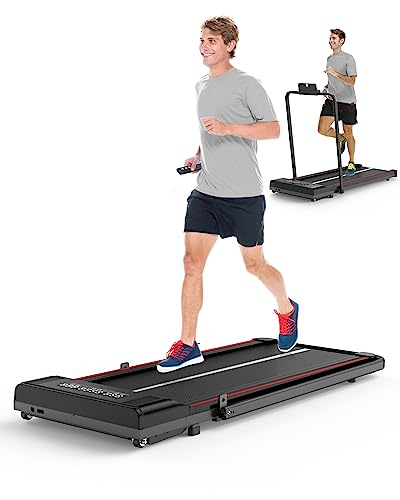
A self-propelled treadmill, often referred to as a manual treadmill, is a kind of treadmill that relies on the user’s own effort to power the belt. Unlike conventional motorized treadmills, which require electrical power to move, self-propelled treadmills harness the energy created by the motion of the user. This means that when a physical fitness lover walks, jogs, or runs on the treadmill, they successfully propel the belt forward.
Key Features of Self-Propelled Treadmills
Before delving deeper into the advantages and prospective downsides, let’s explore the key features that separate self-propelled treadmills from their motorized equivalents:
| Feature | Self-Propelled Treadmills | Motorized Treadmills |
|---|---|---|
| Source of power | User-generated | Electric motor |
| Speed Control | Manual (based on user effort) | Adjustable (via console) |
| Running Surface | Usually smaller sized and narrower | Normally larger and more cushioned |
| Slope Adjustment | Manual (normally a repaired incline) | Automatic slope settings |
| Portability | Lightweight and foldable | Bulkier and often non-foldable |
| Upkeep | Low (no electrical components) | Moderate (needs electrical upkeep) |
Benefits of Using a Self-Propelled Treadmill
Self-propelled treadmills use a variety of advantages that set them apart from conventional, motorized models. Here are a few of the crucial advantages:
1. Improved Caloric Burn
Since self-propelled treadmills count on the user for movement, they often cause a higher caloric expenditure throughout exercises. A study shows that users burn 30% more calories on a Self Propelled Treadmill-propelled treadmill compared to a motorized one, due to the increased effort required to move the belt.
2. Enhanced Muscular Engagement
When using a self-propelled treadmill, users naturally engage more muscle groups, including the glutes, hamstrings, and core. This full-body engagement contributes to better strength and stability gradually.
3. Versatility in Training
Self-propelled treadmills enable users to adjust their speed and intensity more intuitively, allowing varied exercises tailored to their fitness level. Users can walk, jog, sprint, or alter pace within the exact same session, cultivating a more vibrant exercise experience.
4. Low Impact on Joints
Lots of self-propelled treadmills feature a design that supplies a cushioned running surface, which can be gentler on the joints compared to outside operating on concrete.
5. Portability and Convenience
A lot of self-propelled treadmills are lightweight and developed for easy storage. This makes them an exceptional alternative for those with limited area, as they can be conveniently folded and stored away when not in usage.
6. Very little Maintenance
As self-propelled treadmills do not count on electrical parts or motors, they need less maintenance, conserving users money and time in repair work.
Factors to consider Before Purchasing
While self-propelled treadmills have numerous advantages, they might not appropriate for everyone. Here are some considerations to consider in the past buying:
1. Learning Curve
Users might need some time to adapt to the mechanics of self-propelled treadmills, specifically if they are accustomed to motorized designs. The preliminary experience may feel tough as users learn to manage their speed successfully.
2. Fixed Settings
Most self-propelled models include limited settings, such as repaired slope options. This can limit the variety of exercises offered for users who enjoy the versatility of adjustable motorized treadmills.
3. Smaller Sized Running Surface
The running area on self-propelled treadmills is typically narrower than that of standard treadmills. This could be a concern for taller users or those with longer strides.
Popular Self-Propelled Treadmill Models
To assist physical fitness lovers in their search, we have actually assembled a comparison of a number of popular self-propelled treadmill models based upon key specifications:
| Model | Weight | Running Surface (inches) | Adjustable Incline | Rate Range |
|---|---|---|---|---|
| Assault Fitness AirRunner | 280 lbs | 16 x 58 | Repaired (12%) | ₤ 2,999 – ₤ 3,499 |
| TrueForm Runner | 220 lbs | 17 x 63 | Repaired (6%) | ₤ 3,199 – ₤ 3,499 |
| Xebex AirRunner | 270 lbs | 16 x 64 | Fixed (15%) | ₤ 2,499 – ₤ 2,999 |
| NordicTrack XP8000 | 200 pounds | 16 x 50 | Repaired (10%) | ₤ 1,299 – ₤ 1,699 |
FAQs
Q1: Is a self-propelled treadmill appropriate for beginners?A1: Yes, self-propelled
treadmills can accommodate all fitness levels. They allow beginners to set their own pace and slowly develop endurance. Q2: Do self-propelled treadmills make noise?A2: Generally, self-propelled treadmills are quieter than motorized treadmills because
they do not have motors. However, noise levels can vary based upon the design and user strategy. Q3: Can I use a self-propelled treadmill for sprinting workouts?A3: Absolutely! Self-propelled treadmills are perfect for
interval training and sprint exercises, permitting users to control speed based upon their effort. Q4: Are self-propelled treadmills more costly than motorized ones?A4: While some premium self-propelled models can be rather costly, there are also affordable alternatives readily available. It’s vital to compare features and prices to discover the very best
fit for your spending plan. Q5: Do I need a power outlet for a self-propelled treadmill?A5: No, self-propelled treadmills do not need an electrical outlet, making them more flexible for positioning in your home or gym.
Self-propelled treadmills represent an innovative solution for those looking for a reliable exercise without the restraints of traditional motorized options. With advantages such as increased caloric burn, improved muscular engagement
, and low upkeep, self-propelled treadmills can be a valuable addition to any physical fitness routine. As customers consider their alternatives, it’s vital to weigh the advantages versus possible drawbacks and select a design that aligns with individual fitness objectives. Eventually, the self-propelled treadmill is a powerful tool for cultivating a much healthier way of life.