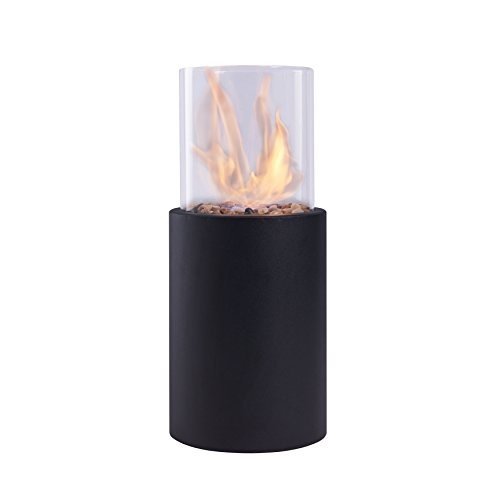
Small Fireplaces
Company Description
Buy Fireplace: The Good, The Bad, And The Ugly
A Comprehensive Guide to Buying a Fireplace
Purchasing a fireplace is not just about picking a heating appliance; it involves comprehending various types, styles, benefits, and installation requirements. With a myriad of alternatives readily available, making a notified decision is necessary to guarantee that your investment fulfills both your visual desires and functional requirements. This guide will check out the key factors to consider for buying a fireplace, breaking down vital information into absorbable sections to assist potential buyers in making a well-informed choice.
Types of Fireplaces
Before diving into the buying process, it’s essential to acquaint yourself with the various kinds of fireplaces offered on the marketplace. Each type has its unique functions, advantages, and setup requirements. Below is a comprehensive table summing up the primary types of fireplaces:
| Type | Fuel Source | Setup | Pros | Cons |
|---|---|---|---|---|
| Wood-burning | Fire wood | Requires a chimney | Traditional ambiance, affordable fuel | Needs routine cleaning, limited control |
| Gas | Gas or propane | Needs venting | Simpler to utilize, cleaner emissions | Dependence on gas supply, less atmosphere |
| Electric | Electrical power | No venting needed | Easy setup, very little maintenance | Less genuine fire experience |
| Ethanol | Ethanol fuel | No venting required | Portable options, can be used indoors | Greater fuel expense, less heat output |
| Pellet Stoves For Sale | Wood pellets | Needs venting | Renewable fuel, effective and environmentally friendly | Requires electrical Energy Efficient Fireplaces For Sale for operation |
Factors to consider When Buying a Fireplace
When purchasing a fireplace, numerous essential factors need to influence your choice. Here’s a breakdown of the essential considerations:
1. Function
Identify the main function of the fireplace. Is it for heating a space, developing atmosphere, or both? Comprehending the function will substantially limit your alternatives.
2. Space
Assess the offered area in your home. A large, open location might accommodate a traditional wood-burning fireplace, while a smaller sized area may be better fit for an electrical or ethanol design.
3. Installation
Consider the installation requirements for each fireplace type. Some might need professional installation, particularly if venting is involved, while others are more DIY-friendly.
4. Maintenance
Assess how much effort and time you can commit to upkeep. For example, wood-burning fireplaces require significant maintenance, while electric Top Fireplaces Brands require minimal care.
5. Expense
Develop a budget plan that accounts for the purchase cost, installation expenses, and continuous fuel expenses. It’s essential to consider both preliminary and long-lasting monetary commitments.
6. Style
Choose a style that matches your home’s interior design. Modern, rustic, or traditional, the fireplace can be a centerpiece or mix into the surroundings.
Purchasing Process
Action 1: Research
Conduct comprehensive research on various fireplace types, functions, and brand names. Online resources, evaluations, and check outs to showrooms can provide valuable insights.
Action 2: Set a Budget
Identify your budget, including installation expenses and any extra devices. Having a clear budget plan will assist you make focused choices.
Action 3: Choose a Type
Based on the above considerations, choose the kind of fireplace that finest matches your requirements. Refer back to the table for a fast contrast.
Step 4: Consult Professionals
For installations that need venting or complex setups, speaking with a professional can supply assistance on the very Best Fireplaces For Sale options for your home.
Step 5: Purchase
When you have settled on the type and secured expert advice, make your purchase. Make sure that service warranties and return policies are thoroughly understood.
Frequently Asked Questions (FAQ)
Q1: Do I need a license to set up a fireplace?
Yes, local building codes often need licenses for fireplace installation, especially for wood-burning or gas fireplaces. It’s recommended to talk to your local authorities.
Q2: How often should I clean my wood-burning fireplace?
A wood-burning fireplace should be cleaned a minimum of once a year. This includes chimney sweeping to prevent creosote accumulation, which is a fire threat.
Q3: Can I transform my wood-burning fireplace to gas?
Yes, it is possible to transform a wood-burning fireplace to gas, however this needs expert installation and may involve changes to the existing structure.
Q4: What is the most effective kind of fireplace?
Gas and pellet Wall Mounted Fireplaces For Sale are frequently considered the most efficient, as they supply consistent heat and better control over burn rates compared to traditional wood-burning Insert Fireplaces Online.
Q5: Are electrical fireplaces safe?
Yes, electrical fireplaces are generally safe. They do not produce genuine flames, minimizing the risk of fire, and lots of models include security features like automated shut-off.
Buying a fireplace can improve your home’s heat, atmosphere, and worth. Understanding the different types, setup requirements, maintenance needs, and style alternatives is important for making a decision that will serve you well for years to come. By keeping the essential considerations in mind and following the buying procedure outlined in this guide, you can pick the best fireplace that matches your way of life and home.
As winter methods and the requirement for warmth becomes vital, let this guide aid you browse the world of fireplaces. Happy fireplace shopping!