

Best Cooker Hoods
Company Description
Guide To Cookerhood: The Intermediate Guide For Cookerhood
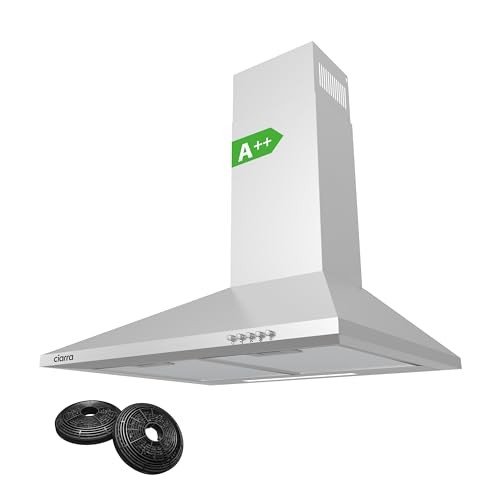
Unveiling the Importance of Cooker Hoods: Enhancing Your Kitchen Environment
In Modern Cooker Hood kitchens, the cooker hood, frequently referred to as the Range Cooker Hood hood, has actually ended up being more than simply a necessary home appliance; it plays a vital role in keeping a healthy and comfy cooking area. This post digs into the significance of cooker hoods, exploring their functions, types, and maintenance pointers while incorporating an in-depth contrast table for easy referral. We’ll likewise respond to some frequently asked concerns.
The Functionality of Cooker Hoods
Cooker hoods serve several purposes in the kitchen:
- Air Filtration: They help in removing smoke, steam, grease, and other airborne particles produced while cooking.
- Smell Control: Cooker hoods help in keeping the kitchen smelling fresh by filtering and expelling cooking smells.
- Safety: By venting excess wetness and heat, they assist avoid the buildup of mold and alleviate fire hazards.
- Aesthetic Appeal: Modern cooker hoods can be found in different styles that can boost the general appearance of the kitchen.
Types of Cooker Hoods
Understanding the different types of cooker hoods can help homeowners choose the right alternative for their kitchen. Below is a comparative table summarizing the primary types of cooker hoods along with their essential functions, pros, and cons.
| Kind Of Cooker Hood | Secret Features | Pros | Cons |
|---|---|---|---|
| Under-Cabinet | Mounted under cabinets, compact style | Space-saving, quickly accessible | Minimal extraction power |
| Wall-Mounted | Connected to the wall above the cooktop | Trendy design, excellent for open spaces | Requires wall setup |
| Island | Created for usage above kitchen islands | Uses a focal point, superior suction | Expensive, requires appropriate ceiling height |
| Downdraft | Withdraws into the counter top | Discreet, perfect for minimalist designs | Less effective than traditional hoods |
| Insert | Suits custom cabinets | Adjustable, blends perfectly | Can be complex to install |
| Chimney | Freestanding with a chimney-like design | High extraction rates, remarkable visual appeals | Takes up more space |
Benefits of Using a Cooker Hood
- Improves Air Quality: By removing hazardous particles, cooker hoods substantially enhance indoor air quality in the kitchen, which is necessary for health.
- Prevents Grease Buildup: An excellent cooker hood will successfully catch grease particles, therefore decreasing grime on kitchen surface areas.
- Improves Comfort: By removing heat and humidity, cooker hoods develop a more comfy cooking environment, especially during extreme cooking sessions.
- Decreases Cleaning Time: With the reliable capture of grease and odors, kitchens with cooker hoods require less regular deep cleansing.
Factors to consider When Choosing a Cooker Hood
When buying a cooker hood, numerous aspects should be considered:
- Size: Ensure that the hood is at least as wide as the cooktop and has appropriate height to enable effective ventilation.
- CFM Rating: Consider the hood’s cubic feet per minute (CFM) score, which indicates its airflow capacity. Higher CFM is normally much better for Cooker Extractor Fans – bigger cooking surface areas.
- Noise Level: Evaluate the sound level in decibels (dB). A quieter model can enhance the cooking experience.
- Ducted vs. Ductless: Decide whether to install a ducted hood (vented outside) or a ductless hood (uses charcoal filters). Ducted hoods are generally more reliable.
Maintenance Tips for Cooker Hoods
Regular maintenance increases the longevity and effectiveness of cooker hoods. Here are a few vital suggestions:
- Clean Grease Filters: Depending on use, clean or change filters every one to three months to make sure optimum efficiency.
- Examine Ducts: Inspect and clean ductwork each year to avoid clogs that can decrease air flow efficiency.
- Clean Down the Exterior: Regularly clean the hood’s exterior utilizing mild soap and water to keep it looking brand-new.
- Check the Fan: Conduct regular checks to guarantee the Hob Extractor Fan is operational, as a malfunctioning fan decreases the hood’s effectiveness.
Often Asked Questions (FAQ)
1. How do I figure out the right CFM rating for my kitchen?
The basic guideline of thumb is to determine the CFM requirement based upon your Stove Extractor Fan‘s BTU ranking. You can utilize the formula:[ text CFM = frac text BTU 100] Therefore, for a 30,000 BTU cooktop, you would need roughly 300 CFM.
2. Can I set up a cooker hood without existing ductwork?
Yes, ductless cooker hoods are readily available, which recirculate air through filters before sending it back into the kitchen. Nevertheless, they may not be as effective in eliminating heat and wetness compared to ducted hoods.
3. How frequently should I clean my cooker hood?
It’s suggested to clean the filters every one to 3 months, depending upon usage frequency and the kind of cooking being done.
4. Are all cooker hoods noisy?
Not all cooker hoods develop significant sound. Look for designs with a lower dB ranking for quieter operation, especially if noise is an issue in your kitchen.
5. What is the difference in between a filter and a ductless cooker hood?
A filter hood utilizes charcoal or grease filters to clean up the air and recirculate it back into the kitchen, while ducted hoods expel air outside through ducts, providing much better ventilation.
In conclusion, the cooker hood is an essential element of modern kitchens, adding to enhanced air quality, safety, and comfort. With different styles readily available, it is essential to think about the particular requirements of your cooking area when selecting the right model. Regular maintenance will ensure the cooker hood remains reliable and prolong its life expectancy, making it a smart financial investment for any kitchen.